From handwoven carpets in Balochistan to traditional shawls crafted in the northern regions, Pakistani woolen products represent warmth, durability, and cultural identity. In this blog, we explore the history, craftsmanship, and growing global relevance of wool production in Pakistan, and why these handmade pieces deserve a place in conscious modern living.
The Evolution of Wool Production in Pakistan
Wool production in Pakistan dates back hundreds of years, long before formal industries existed. Traditionally, wool was produced and exchanged locally through barter systems, especially in pastoral regions such as Balochistan, Cholistan, and tribal belts.
Communities used coarse sheep wool to create:
- Blankets for winter survival
- Rugs and carpets for homes and tents
- Shawls and robes for daily wear
Around 1900, Pakistan’s wool sector gradually transitioned from subsistence-based use to commercial production, responding to growing demand for carpets and woolen textiles. A major milestone came in 1952 with the establishment of the Harnai Woolen Mill, Pakistan’s first industrial wool processing unit. Although the mill closed in 1988, it marked the beginning of organized wool manufacturing in the country.
Today, Pakistan’s wool industry remains largely artisan-driven, with regional identity playing a key role in design and technique.
Traditional Wool Craftsmanship & Processing
Pakistani woolen products are admired for their strength, texture, and authenticity, achieved through time-honored handcrafting methods passed down through generations.
The Wool Crafting Process
Shearing & Collection
Sheep raised in Balochistan, Cholistan, and northern areas provide the primary wool supply. The wool is typically coarse (35–45 microns), ideal for carpets and blankets.
Cleaning & Sorting
Raw wool is washed thoroughly to remove dust and natural oils, then sorted by quality and thickness.
Spinning the Yarn
Artisans spin wool by hand or with simple spinning wheels, transforming fibers into strong yarn suitable for weaving.
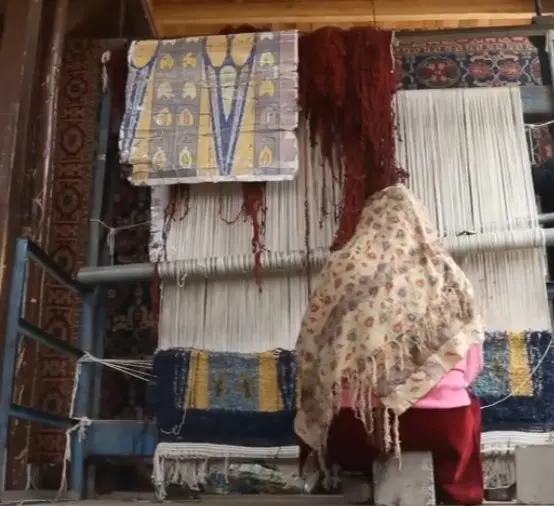
Weaving on Looms
In villages such as Islampur, hundreds of traditional pit looms are still used to weave shawls and fabrics. In Chitral and Khyber Pakhtunkhwa, wool is crafted into the iconic Shuqa, a traditional woolen robe known for its durability and warmth.
Finishing & Detailing
Products are brushed, trimmed, and sometimes naturally dyed, maintaining their raw, earthy character.
Each piece carries the mark of the artisan no two items are ever exactly the same.
Iconic Woolen Products of Pakistan
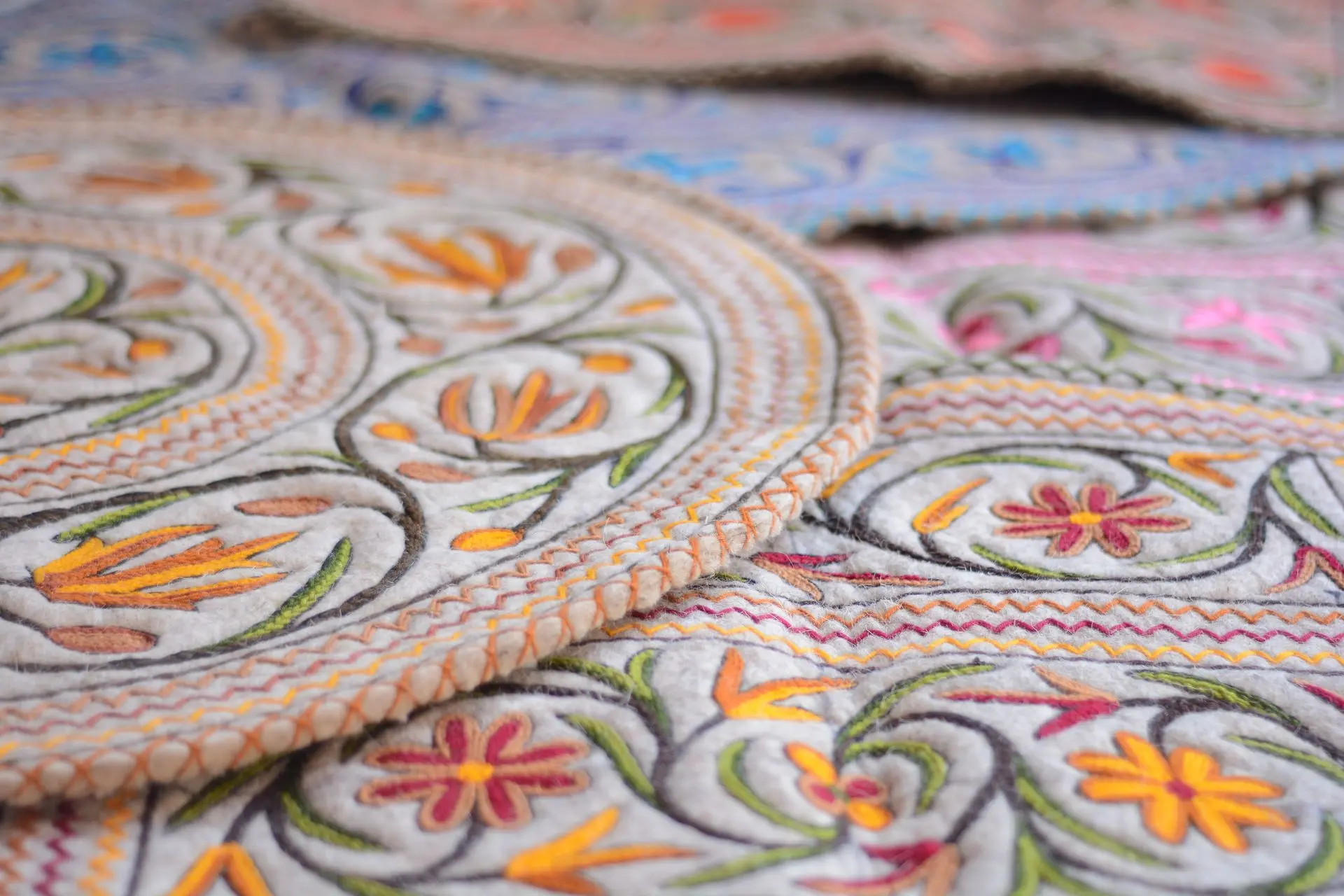
Pakistan’s wool industry produces a wide range of handcrafted items, each reflecting regional culture and practical design.
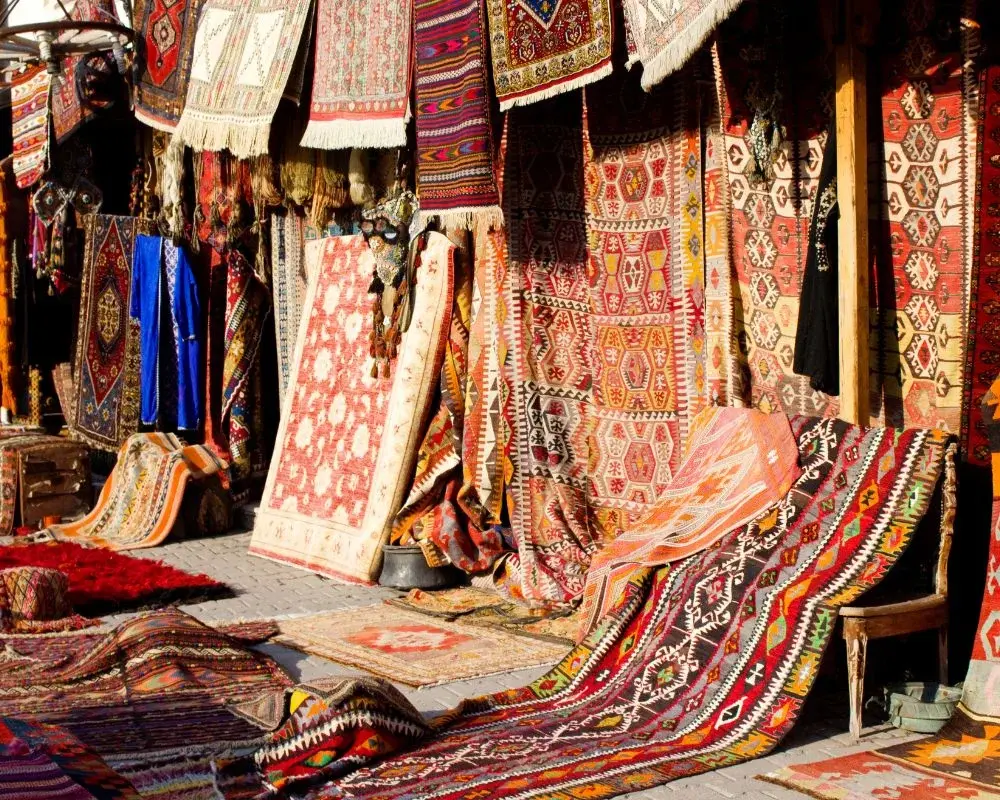
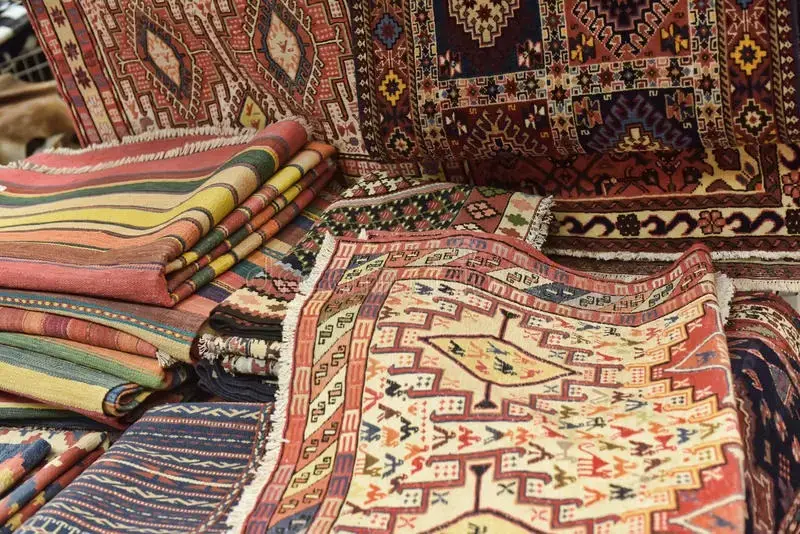
Handwoven Wool Carpets & Rugs: Renowned globally for their durability and bold patterns
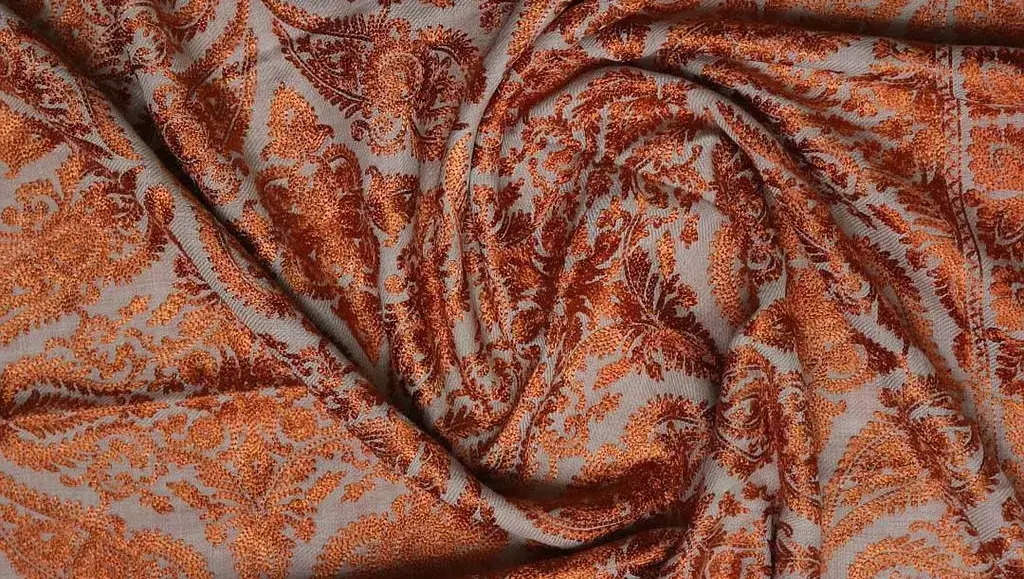
Traditional Woolen Shawls: Used for warmth and ceremonial wear in northern regions
Shuqa & Woolen Robes: Functional garments designed for extreme weather
Woolen Blankets: Thick, insulating, and long-lasting
Artisan Textile Blends Local wool mixed with imported fibers from Turkey, Spain, and Germany for finer textures
These products are not just utilities they are living expressions of Pakistan’s heritage.
Why Pakistani Wool Is Gaining Global Recognition
In recent years, there has been renewed global interest in natural, handmade, and sustainable textiles and Pakistani wool fits perfectly into this shift.
What Makes Pakistani Wool Special?
Authentic Handcrafting: Crafted using traditional looms and techniques.
Eco-Conscious Production: Minimal machinery, low environmental impact.
Cultural Depth: Each design reflects tribal and regional identities.
Durability & Functionality: Ideal for home décor and cold climates.
Ethical Artisan Livelihoods: Supports rural communities and craftspeople.
As international buyers seek alternatives to mass-produced textiles, Pakistani woolen products are increasingly valued for their story, substance, and soul.
Challenges & the Future of Pakistan’s Wool Industry
Despite its rich potential, Pakistan’s wool sector faces several challenges:
- Limited Modern Processing Facilities
- Underrepresentation in Global Markets
- Decline in Young Artisan Participation
- Competition from Synthetic Materials
However, platforms like Vceela are helping bridge this gap by connecting artisans to modern markets, preserving craftsmanship while creating sustainable income opportunities.
With the right investment, and ethical branding, Pakistan’s wool industry has the potential to become a global symbol of heritage craftsmanship.
Wool: More Than Fabric, a Feeling
Wool has a way of grounding us. Imagine returning home after a long day and wrapping yourself in a handmade woolen shawl, its weight comforting, its texture alive with history. These are not just products; they are experiences shaped by generations of skilled hands. Choosing handcrafted wool means choosing sustainability, authenticity, and human connection. Every rug, shawl, or blanket tells a story of land, labor, and legacy.
At Vceela, we celebrate these stories bringing Pakistan’s artisan-made woolen crafts to those who value meaning as much as beauty.
Discover soft, beautifully made woolen pieces inspired by tradition. Shop now at vceela.com .